Design Thinking Meets Personal Growth: Innovating Your Mindset
Design thinking is widely used to create innovative solutions, but its principles can also be applied to personal growth. At its core, design thinking is about understanding needs, exploring possibilities, experimenting with ideas, and learning from experience. When applied to ourselves, it encourages us to approach personal development with curiosity rather than pressure for perfection.
The process begins with self-empathy. Instead of immediately trying to fix a problem, we can pause and ask, “What do I really need?” or “What is making this difficult for me?” Once the challenge becomes clearer, we can explore different ways forward rather than assuming there is only one solution.
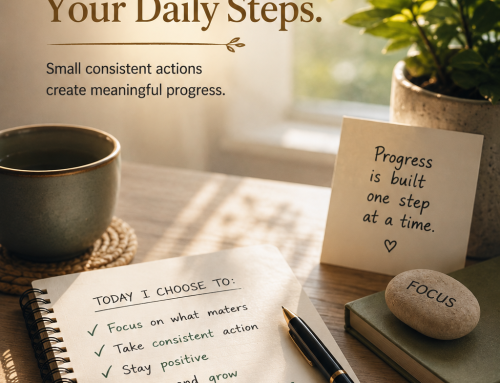
Small experiments can make personal change feel more achievable. Someone who wants to manage stress, for example, might try meditation, journaling, spending time in nature, reducing digital distractions, or changing their daily routine. By observing what works and what doesn’t, they can gradually refine their approach. Growth then becomes a process of trying, learning, adjusting, and moving forward.
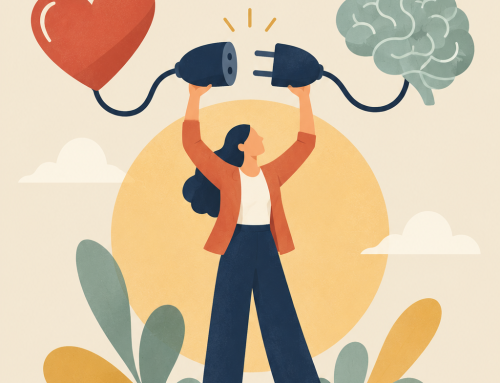
Rajyoga brings deeper self-awareness into this process by encouraging us to observe our thoughts, emotions, habits, and responses. Through meditation, silence, self-reflection, and positive thinking, participants can better understand what is happening within themselves before deciding what needs to change. This inner clarity can support more thoughtful choices and creative approaches to everyday challenges.
Rajyoga’s relevance is that it provides the inner awareness and clarity needed to understand ourselves, while a design-thinking approach encourages us to explore, experiment, and discover practical ways to grow.
Personal growth does not have to follow one perfect path. When we approach it with awareness, curiosity, and a willingness to adapt, every experience can become an opportunity to learn, refine, and evolve.